

A Journey in Illustration Pricing
A prologue with real numbers and real regrets.

Yeah, yeah. I get it: talking about money is gauche. But time and time again I am overwhelmed by the lack of information and education in the world of illustration pricing. So, taboo as it may be, I’m diving in to (hopefully) help demystify some of the conversation on this topic.
If you aren’t familiar with my work: welcome. I’m Maggie and I’m a commercial illustrator. I create bespoke pieces of artwork for brands. My illustrations are mostly (but not exclusively) contemporary maximalist botanical illustrations. Most of my work is in packaging, and I do a lot of holiday / limited edition designs for established brands.
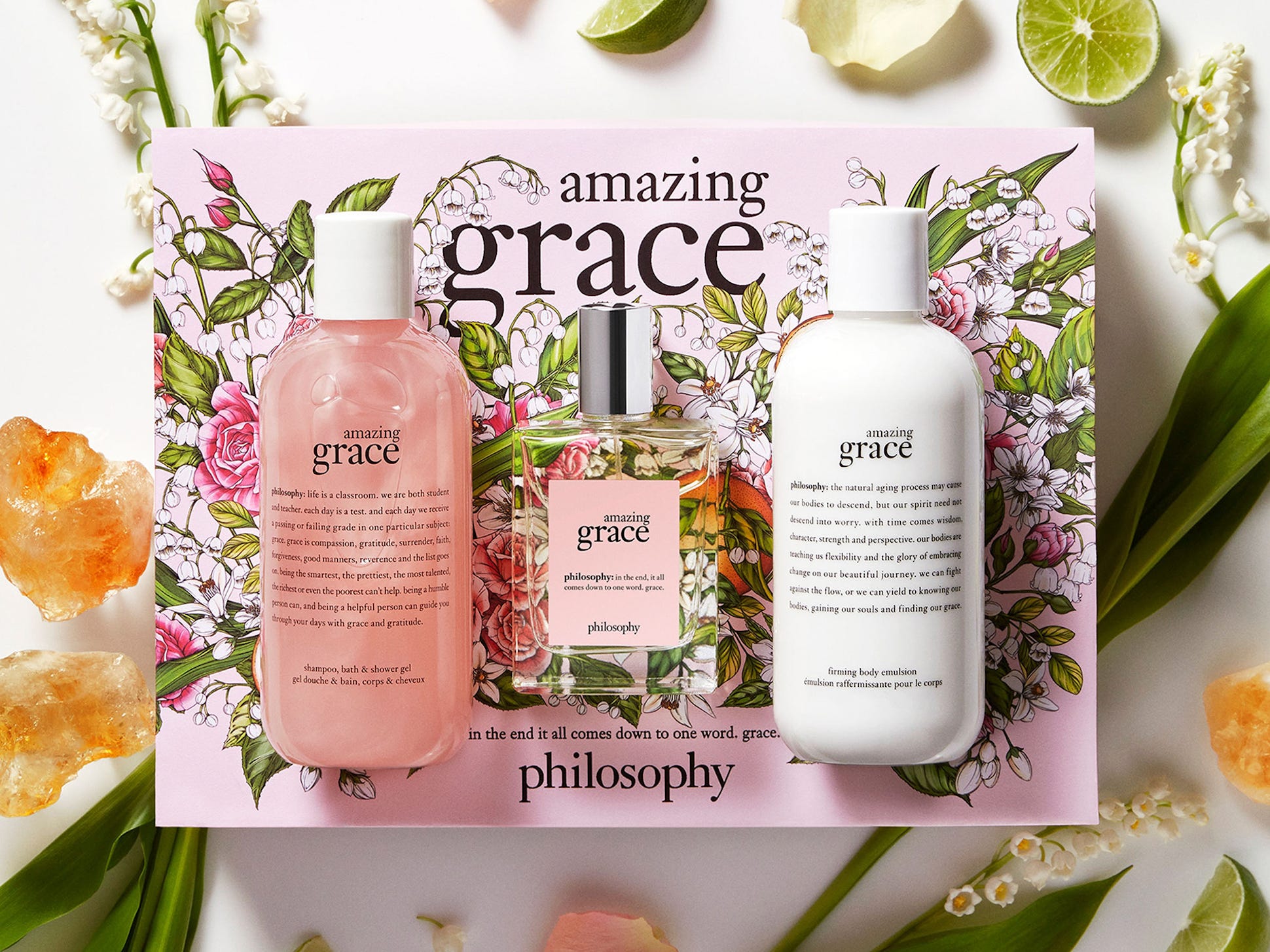
This post is the prologue for my most popular blog post, linked at the bottom. It helps set the stage for some of the language that I use when I speak about pricing, and it catalogues my own learning in real numbers and real stories.
Let’s get into it.
Baby’s first commissions
I started illustrating as a hobby. Even before I graduated from college I was working a data entry job for a then-new tech start-up, GrubHub, manually cropping restaurant menu logos out of scanned menus and uploading them to the backend of the site for hours a day. The work was incredibly boring and only part-time, so I started drawing with the extra hours. It was the late 00’s, back when we were all drawing drop-caps. I was no different. My alphabet series started:

Well, fam, it wasn’t long before the cash register started ringing!
Just kidding. It was nearly a year.
A friend of mine asked me to draw her and her boyfriend’s initials for their new apartment. It was an ink drawing on an 8.5x11 piece of paper. I think I charged her $100.
I posted the drawing on Facebook and got one more commission from a relative of a friend-of-a-friend. I didn’t know her. She wanted me to draw something similar for her son. I charged her a little more - $125.
I was making $300 / week at GrubHub, but I had made $225 in less time, doing two drawings. It felt really exciting.
For the next year, my monogram commissions built steadily, about once every one or two weeks. I upped my prices. I was now charging $150 / drawing. They each took me about 10 hours. Minus the shipping cost, I was making about $15 / hour drawing. That was the same amount I was getting paid at Grubhub.


I also answered craigslist ads for literally anything that was tangential to illustration for $20/hr.
I drew album covers for college bands. Gig posters. Wedding invites.
I did patent illustration (some of which I still can not disclose to this day, sneaky sneaky patents)
I even once designed the banner for the only vegetarian food cart at Chicago’s RibFest: smiling cartoon peppers and tomatoes with Mickey Mouse gloves.
It wasn’t my finest moment.
I hodge-podged together enough for rent every month, but I made it work.
By year 2 my drawings were getting better, mostly fueled by the commissions that kept me consistently drawing. By that time, I had also gotten a promotion at Grubhub. I was working in the office 30-40 hours a week, but I was really enjoying my illustration side-hustle and didn’t want to give it up.
During a hard multi-month spell I had way too many orders at once: 5 commissions always running concurrently, about 50 hours extra of work each month on top of my day job. I was spending all my evenings drawing, so I started drawing on the weekends. I was underwater. I didn’t want to lose momentum, but at the same time I was completely exhausted giving up every open hour of every day, every month for $750.
I decided to up my prices to $250. I thought, maybe I’ll get less orders, but the ones I DO get will be more worth my time.
And they were. By year three I really went for it. I increased my price to $450 / drawing. I paid for a Squarespace website with a bit of automation: clients could check-out and pay directly online, saving me the back-and-forth of onboarding emails. They could specify the letters they wanted, the typeface, and their preferred flowers and desired symbolism.
I was right, I did get less orders…but not by much. I was getting about 3 orders a month, but at a higher rate. I was able to complete it all in less time and I got back my Sundays. I was making an extra ~$1,500 each month drawing, which was thrilling.
The first “real” one
Then, it happened. I got my first “real” work request. Someone had seen my drawings online and wanted me to draw a similar monogram illustration for a wine label. They asked me for a quote.
I had been charging $450/piece for these but somehow it really didn’t seem right to charge the same amount if the work is going to be printed on wine bottles.
I was bouncing off the walls with joy, and I immediately wrote back. I quoted them $750, which seemed fair to me. They wrote back and said, “But it’s on your website for $450, and we want the same exact work.” I couldn’t fault them for pointing that out, but also - it just felt different.
I wrote back and said, “Those drawings are personal commissions, for personal use. The fee is higher because it’s going to be printed for products that you’re selling.”
I didn’t get the gig.
But I did have that a-ha moment. I stood my ground and I added a sentence to my website:
“For personal use only, this art can not be used commercially. To discuss a commercial commission, email me directly.”
Looking back—and this is over a decade ago now—It’s easy to face-palm and think, I was selling my work for $150 / $250 a piece. That being said, I sold a lot more drawings at $250 than I did at $450/piece. Without all of those $250 drawings, I wouldn’t have had the portfolio to support my rate increase.
By the time the $450 clients came along, they had dozens and dozens of examples to refer to, they knew what they were going to get. They had confidence in the product and they understood the investment.
Had I started my rates at $450 / piece, without samples to back it up,
I doubt I would have sold any drawings initially.
The next commercial request I got was the same monogram style, but for use as a logo design. I estimated it was about a week of work and quoted them $1,200. I figured it made sense from an hourly perspective for a project that I expected to take a week. They agreed.
It took two weeks.
The back-and-forth! The edits! It was more than I anticipated.
So the next time I received a logo request, I quoted $2,000.
They said, “Sounds good!”
Unpacking it all, and how to move forward
There are 3 core pricing strategies:
Hourly Pricing | Project-based pricing | Value Pricing
I was used to hourly pricing from my day job: $15/hour.
So I began by pricing hourly: a 10 hour drawing was $150.
As I continued increasing my rate, I moved to project-based pricing. I charged a flat fee of $450 / drawing. I allowed the customer to choose the letters, font, flowers, and that price didn’t change. Some people chose flowers like daisies, which took no time at all, and some chose peonies, which can take like 3 hours a flower. The price didn’t change. Drawings inside the letters took much less time than drawings outside the letters. The price didn’t change.
However, hourly pricing and project-based pricing are missing several huge variables: Who is using the art?
Where is the art being used?
How is the art being used?
When is the art being used?
Enter…
Value-based pricing
Because, you see, I was entirely correct back when I felt something was “off” about charging a person hanging a drawing in their home the same as a company who would be using the artwork to make money. In this case, my pricing should have reflected not only the time it took me to complete the art, but it should have also been based on the value to the brand who was utilizing it.
For more about value-based pricing, check out my post on illustration licensing, below. Just like a square is a rectangle, but a rectangle isn’t a square, licensing IS value-based pricing, but value-based pricing doesn’t always mean there’s licensing involved. In the next post, I’ll go over all of this, including full buy-out, work-for-hire, and all of the factors that go into understanding the value of your illustrations.
Illustration Licensing 101

Fellow illustrators often ask me to speak on the subject of licensing. I’ve spoken about it at conferences, on podcasts and Instagram lives, and I am always....
That’s all for now, folks. Thanks for reading, and I hope this got your wheels turning a bit on your own pricing journey. These posts are free, but if you’d like to get involved:
How you can support me as a working artist:
Purchase a print from my online shop: littlepatterns.com/shop
Purchase one of my coloring books: colorflowerscape.com
Follow me on Instagram @littlepatterns, and don’t be a stranger. Comment, engage, and share with your friends!